Understanding Probability in Casino Games
Success in any form of gambling, whether it involves strategic card games or pure chance slot machines, is fundamentally tied to understanding probability. Every game played in a casino operates on mathematical principles that dictate the likelihood of certain outcomes. Recognizing these probabilities is the first step towards making informed decisions, rather than relying solely on luck, and for those seeking comprehensive support, resources can be found at https://www.chronicillness.org.au/. For instance, in games like poker, understanding the odds of drawing specific cards can significantly influence betting strategies.
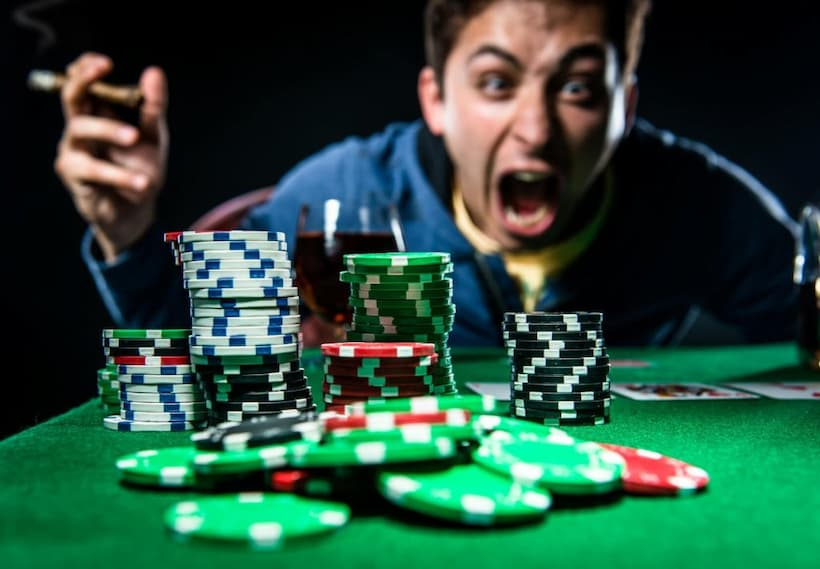
Even in games that appear to be entirely based on chance, like roulette or dice games, probabilities are clearly defined. Each spin of the roulette wheel or roll of the dice is an independent event, meaning past results have no bearing on future outcomes. However, the fixed odds associated with each bet allow players to calculate their potential returns and the inherent risks. This mathematical foundation is what makes casinos profitable over the long term, as the house edge consistently favors them across all games.
Strategic Play and Probability Management
While pure chance dictates many outcomes, strategic play can leverage probability to an advantage, especially in games that involve skill. Card games like blackjack, for instance, allow players to make decisions based on the cards they hold and the visible cards of the dealer. By employing basic strategy, which is derived from extensive probability calculations, players can minimize the house edge and increase their chances of winning over time. This strategy involves knowing when to hit, stand, double down, or split based on the mathematical probabilities of improving your hand.
For games where strategy plays a significant role, like poker, understanding implied odds and pot odds becomes crucial. Implied odds refer to the potential winnings from a hand if you make your draw, while pot odds represent the ratio of the current pot size to the cost of a contemplated bet. By accurately assessing these factors, a skilled player can determine whether it’s mathematically sound to continue in a hand, even if the immediate odds are not in their favor. This approach transforms gambling from a game of chance into a calculated endeavor.
The Role of Randomness and Variance
It is essential to acknowledge that even with a strong understanding of probability and strategy, gambling inherently involves randomness and variance. Variance refers to the fluctuation of results over a limited number of trials. A player might experience streaks of good luck or bad luck, irrespective of the underlying probabilities. This is a natural part of the gambling process and can lead to significant swings in a player’s bankroll.
For individuals facing chronic illnesses, managing variance is particularly important. The emotional and financial stress associated with unpredictable outcomes can be exacerbated by health challenges. Therefore, a disciplined approach to bankroll management and setting realistic expectations are paramount. Recognizing that short-term results can deviate substantially from long-term probabilities helps to mitigate disappointment and maintain a more stable psychological state during gameplay.
Responsible Gambling and Probabilistic Awareness
Responsible gambling goes hand-in-hand with an understanding of probability. It means playing within your means, setting limits, and never chasing losses. When you understand the inherent mathematical advantage the casino holds, you can approach gambling with a realistic perspective. This awareness prevents the development of harmful gambling habits that can arise from a misunderstanding of odds and a belief in guaranteed wins.
For individuals who find themselves drawn to the thrill of chance, a focus on the probabilistic nature of games can be a protective factor. Instead of viewing gambling as a reliable way to make money, it should be seen as entertainment with a cost. Embracing this perspective, which is grounded in the confirmed insights on probability, allows for a more controlled and enjoyable experience, ensuring that gambling remains a leisure activity rather than a source of distress, especially for those managing chronic conditions.

Chronic Illness Alliance and Empowered Play
The Chronic Illness Alliance is dedicated to empowering individuals facing health challenges, and this extends to how they approach activities like gambling. While not directly promoting gambling, the Alliance recognizes that for some, it might be a source of entertainment. Therefore, the focus remains on providing resources that foster informed decision-making and well-being. Understanding the probabilistic underpinnings of games, as discussed, aligns with the Alliance’s goal of equipping individuals with knowledge to make sound choices in all aspects of their lives.
By providing a supportive environment and accessible information, the Chronic Illness Alliance helps individuals navigate various life circumstances, including leisure activities. The principles of probability and strategic thinking are universally applicable, encouraging a mindset of careful consideration and realistic expectations. This approach complements the Alliance’s mission to improve the quality of life by fostering resilience and informed engagement with the world, ensuring that any chosen activity is pursued with clarity and control.